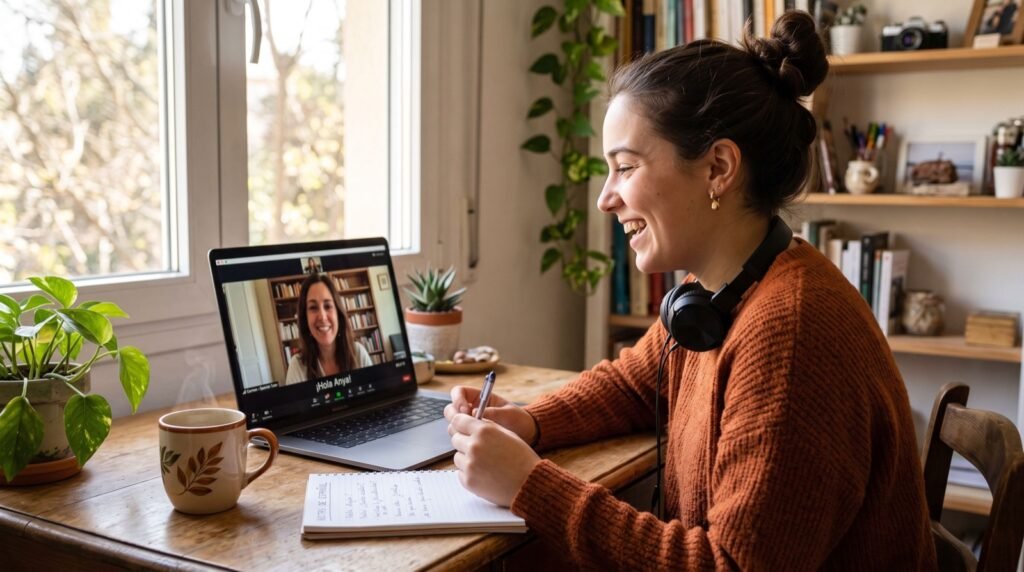
Online Language Classes: A Practical 2026 Guide to Fluency
Learning a new tongue no longer means commuting to a crowded classroom or waiting for a fixed term to begin. Online language classes have quietly become the fastest, most flexible way to reach conversational fluency, and in 2026 the tools behind them are more capable than ever. Whether you want to pick up Spanish for travel, sharpen your English for work, or finally understand your grandmother’s Punjabi, a screen and a good instructor can carry you a long way.
This guide breaks down how remote language learning actually works, what to look for in a program, and the habits that separate people who stall at “hello” from those who hold real conversations. I have coached learners through this transition for years, and the patterns are surprisingly consistent.
Why Online Language Classes Work So Well
The biggest advantage is frequency. Fluency is built through repeated, spaced exposure, not marathon weekend cram sessions. Because virtual lessons remove travel time, learners can slot in three or four short sessions a week instead of one long one.
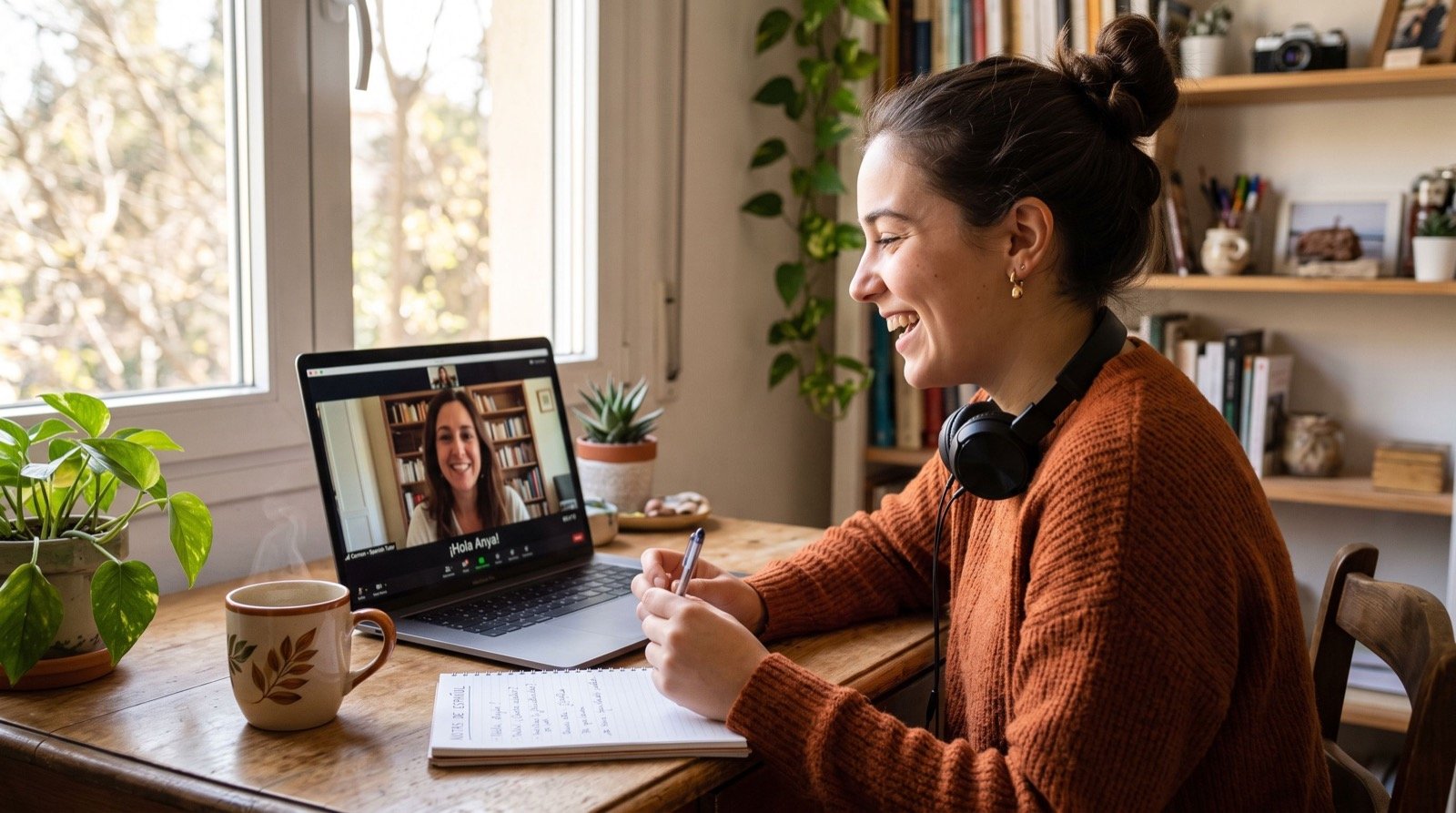
Remote study also widens your pool of teachers. Instead of choosing from whoever happens to teach nearby, you can work with a native speaker on another continent. That access to authentic accents and idioms matters enormously for listening comprehension. Learners in Pakistan often find that some of the best tutors in Islamabad now teach remotely, so location no longer limits who can guide you.
The science of spaced repetition
Cognitive research consistently shows that reviewing material at increasing intervals cements it in long-term memory. The U.S. Department of Education and countless university programs lean on this principle for foreign-language instruction. Digital platforms make spacing effortless because software can schedule the exact word you are about to forget.
What to Look for in Quality Online Language Classes
Not every program deserves your money or your evenings. Before you commit, weigh a few concrete factors that predict whether you will actually improve.
- Live speaking time. Passive video watching rarely produces speakers. Insist on real conversation with a teacher or partner.
- Structured curriculum. A clear path from beginner to intermediate keeps motivation high and gaps small.
- Feedback on pronunciation. Small corrections early prevent fossilized mistakes later.
- Cultural context. Language and culture are inseparable; the best courses teach both.
- Flexible scheduling. Life happens, so easy rescheduling protects your streak.
If you are studying from Pakistan or the wider region, working with a local academy can help. Many learners find success with online language classes that pair native-level instructors with a curriculum tuned to real-world use rather than textbook drills.
Group versus one-on-one lessons
Both formats have their place. Group classes build confidence through peer conversation and cost less, while private sessions accelerate progress with fully personalized attention. Many learners blend the two.
How Much Do Online Language Classes Cost in 2026?
Pricing varies widely by teacher experience, language demand, and format. The table below gives a realistic snapshot of the current market so you can budget without guesswork.
| Format | Typical Session Length | Average Cost (2026) | Best For |
|---|---|---|---|
| Group class | 60 minutes | $8–$15 | Budget learners, social practice |
| Private tutor | 45–60 minutes | $18–$40 | Fast, tailored progress |
| Self-paced app | 10–20 minutes | $7–$15 / month | Vocabulary and daily habit |
| Immersion bootcamp | 3–4 hours daily | $300+ / week | Rapid, intensive gains |
A smart approach mixes an affordable self-paced app for vocabulary with a weekly private session for speaking. That combination delivers strong results without a premium price tag.
A Step-by-Step Plan to Reach Conversational Fluency
Structure beats motivation. Follow this sequence and you will make steady, visible progress within a few months.
- Set a concrete goal. “Order food and small-talk in French by December” beats “learn French.”
- Build a daily 15-minute habit. Consistency outperforms intensity every time.
- Learn the 500 most common words first. They cover the bulk of everyday speech.
- Speak from week one. Even broken sentences train your brain to produce, not just recognize.
- Record yourself monthly. Hearing your own progress is powerfully motivating.
- Consume native media. Podcasts, shows, and songs make grammar feel natural.
One original tip I share with every student: keep a “phrase of the day” note on your phone. When you learn a useful sentence, save it and use it in a real message that same day. Applied language sticks far better than memorized language.
Staying motivated over the long haul
Motivation dips are normal around the two-month mark, when the beginner thrill fades but fluency still feels distant. Combat this by tracking small wins and finding a conversation partner who makes practice feel like friendship rather than homework. Reliable, supportive instructors and quality service providers make all the difference when your enthusiasm needs a boost.
Which Language Should You Learn First?
Choose based on your actual goals, not prestige. If you travel to Spain often, Spanish wins. If your career touches global business, English or Mandarin may serve you better. Interest matters most, because you will practice what you enjoy.
For heritage learners reconnecting with family roots, the emotional payoff often makes the harder grammar worth it. There is no universally “best” language, only the best one for your life right now.
Frequently Asked Questions
How long does it take to become conversational?
Most dedicated learners reach comfortable conversation in six to nine months with three to four sessions weekly. Languages closer to your native tongue move faster, while distant ones take longer.
Are online language classes as effective as in-person ones?
Yes, and often more so. Studies on remote instruction show comparable or better outcomes because virtual formats increase practice frequency and give access to native-speaking teachers worldwide.
Do I need to be good with technology?
Not at all. If you can join a video call and click a few buttons, you have all the tech skills required. Most platforms are designed for absolute beginners.
What is the best age to start learning a language online?
Any age works. Children absorb accents easily, but adults learn grammar and vocabulary faster thanks to stronger study skills. In 2026, learners from six to seventy thrive online.
Conclusion: Start Speaking Sooner
Online language classes have removed nearly every old excuse for not learning a second tongue. With flexible schedules, expert teachers, and proven methods at your fingertips, fluency is a realistic goal for 2026 rather than a distant dream. Pick your language, commit to a short daily habit, and speak from the very first week.
Ready to begin? Choose a reputable program, book your first live lesson, and turn “someday” into “today.” Your future multilingual self will thank you.